Copenhagen is regularly ranked as one of the world's most liveable cities. It's famous for its cycle infrastructure, public spaces and high quality of life. But even here, one question remains:
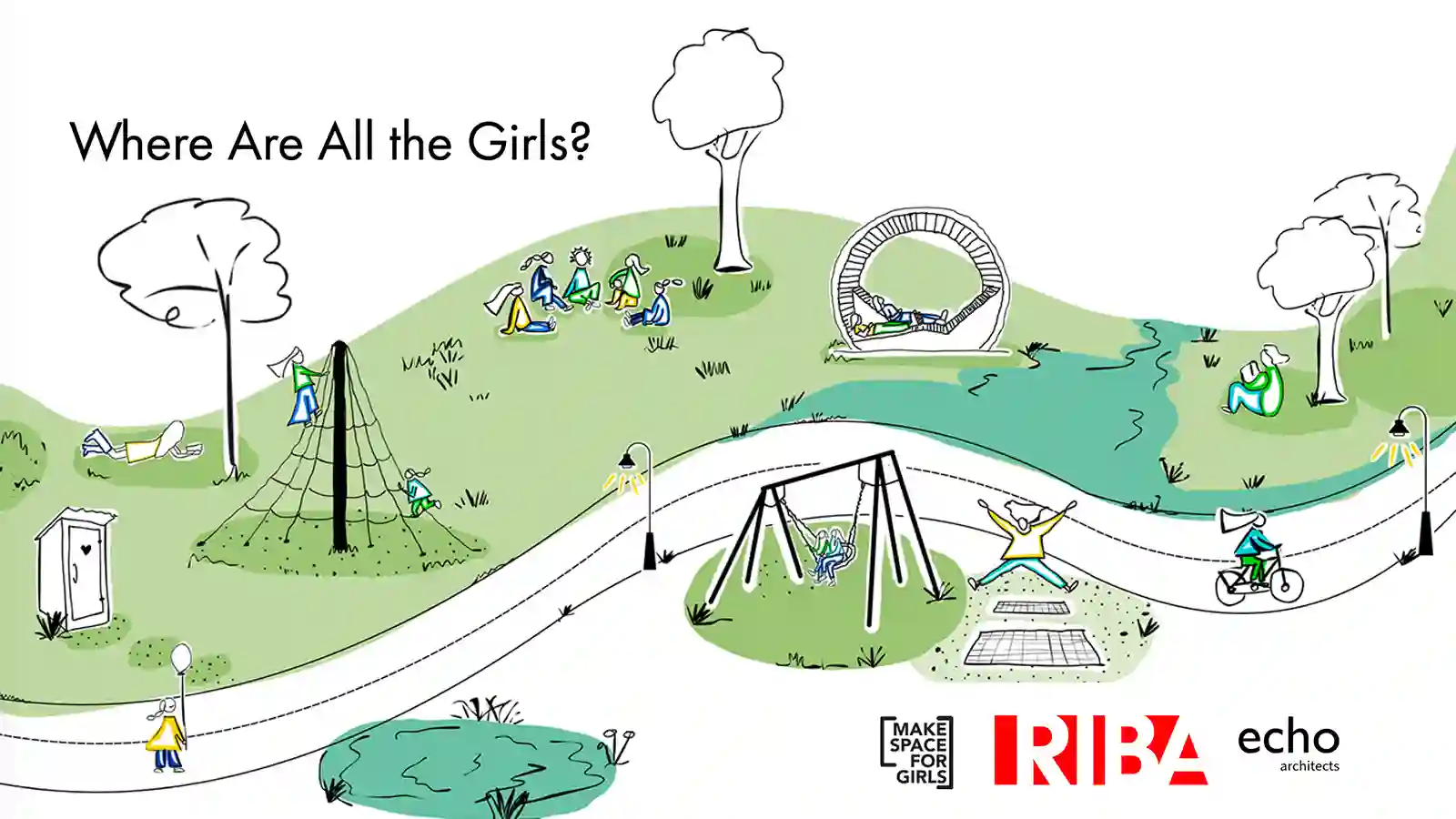
Where are all the girls?
In March 2025, Make Space for Girls travelled to Copenhagen to take part in a workshop and panel discussion hosted by Echo Architects in partnership with RIBA Europe. Together with 30 teenage girls, architects, planners and urban designers, we explored a simple but important question:
Who do our public spaces really work for?
If you've followed our work for a while, you'll probably know what happened next. The girls told us many of the same things we've heard from girls across the UK. They wanted places to sit together, spaces that felt social rather than competitive, better lighting, public toilets, more trees and planting, and parks that felt welcoming rather than intimidating. It may have been a different city, a different country - but exactly the same conversation.

Perhaps the most striking moment came towards the end of the workshop, when one of the girls asked:
"Will people actually see what we've talked about?"
It's a question that gets to the heart of meaningful engagement as too often, young people are invited to workshops, consultations and engagement events without ever knowing what happened next. Their ideas are collected, reports are written, and then... silence. Good engagement is not just about listening. It's about showing young people that their voices have influenced decisions and that their ideas matter.
That theme carried through into the panel discussion that followed, where the girls' experiences became the starting point for a wider conversation about how cities can become more inclusive. One discussion explored something we've heard many times before: why do so many teenage girls spend time in shopping centres rather than parks?
The answer isn't usually shopping, it's that shopping centres often provide many of the things parks don't: somewhere to sit, shelter from the weather, toilets, lighting, warmth and the reassurance that other people are around. In other words, they offer somewhere to simply be. It's a reminder that creating inclusive public spaces isn't just about installing more equipment. It's about thinking carefully about the overall experience of spending time there.
How does it feel?
Who is it designed for?
Would you want to stay?
These are questions every designer, planner and decision-maker should be asking.

One of the most encouraging things about the event was hearing professionals from across architecture, planning and urban design reflecting on these issues together. Teenage girls are still one of the least visible groups in many public spaces, but conversations like this are helping to change that.
We're incredibly grateful to Echo Architects, RIBA Europe and the British Embassy Copenhagen for bringing together such a thoughtful and inspiring event, and for producing the accompanying report. Most of all, thank you to the girls who shared their experiences so honestly. Their insights continue to challenge assumptions and remind us that if we want public spaces to work for everyone, we have to start by listening to the people who are too often overlooked.
You can read the full report here.