One of the questions we are most often asked at Make Space for Girls is what parks can do differently to become more welcoming and inclusive for teenage girls. There is rarely one single answer. Instead, it is usually a combination of thoughtful design decisions that together create places where girls feel they belong. One of those design principles is zoning.
What is zoning?
When we talk about zoning, we don't mean dividing parks into separate areas or fencing different groups apart. We mean creating a variety of connected spaces that offer different ways of spending time. Rather than designing around one dominant activity, well-zoned parks provide opportunities for people to sit, socialise, play, move, observe or simply enjoy being outdoors.
Why zoning works
This matters because girls consistently tell us they want choice. They want places where they can meet friends, sit together, relax, watch what's happening around them or be active without feeling they have to take part in competitive activities. They also want spaces that feel welcoming without being either hidden away or completely exposed.
Too often, teenage facilities in parks are centred around a single dominant feature such as a football pitch, MUGA or skatepark. These facilities work well for some people but they can also become occupied by established groups, often boys and men. When there is only one obvious way to use a space, and when certain groups dominate the space, others simply don't feel it is for them.
Zoning offers an alternative. It allows different activities and experiences to exist alongside one another, so that people can choose how they use the park. Active recreation and quieter social spaces don't have to compete. A successful park can include sports based areas, climbing and play, while also providing seating, swings, planting, informal gathering spaces and quieter corners where people can simply spend time together. Even in smaller neighbourhood play spaces, a thoughtful layout can create distinct but connected areas that support different users without feeling fragmented.
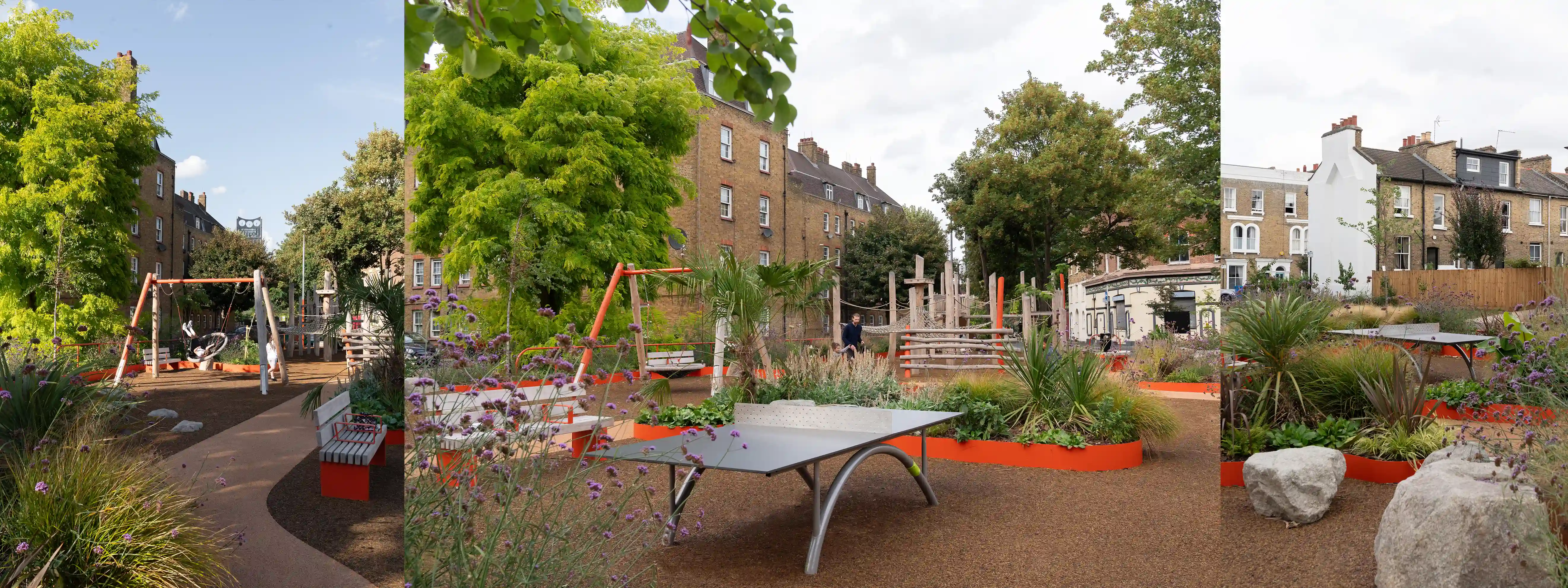
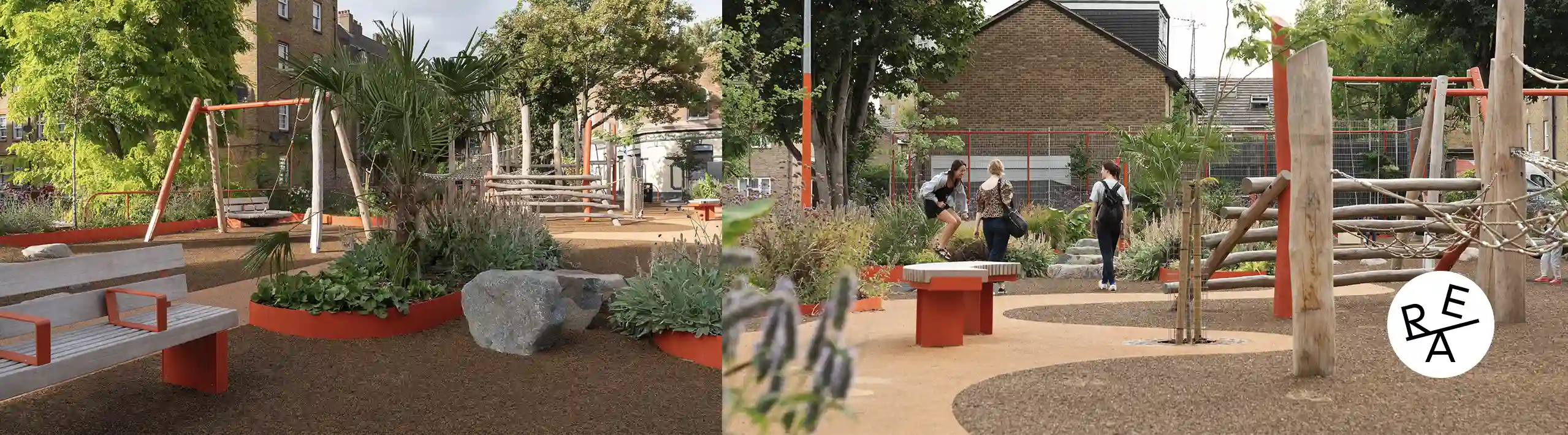
Frederick Playground by Root and Erect
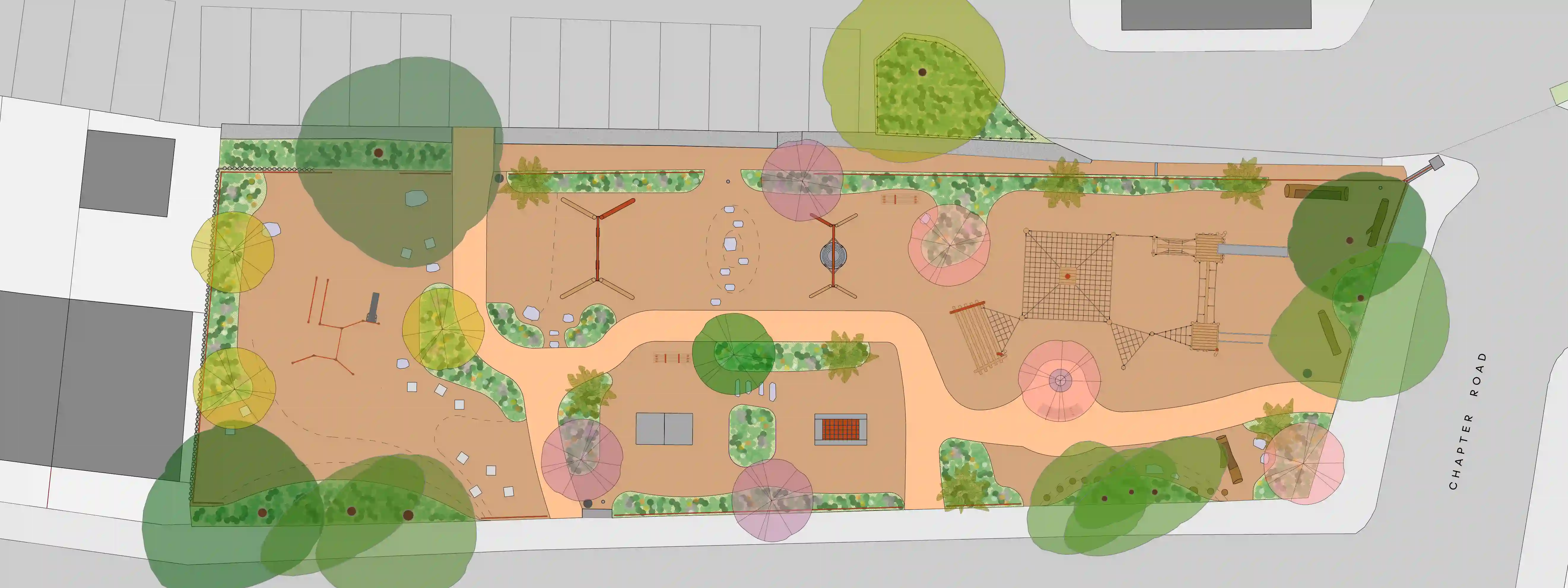
A good example of these principles in practice is the redesign of Frederick Playground in Southwark. Although this was not a Make Space for Girls project, the design team - Root and Erect - drew on Make Space for Girls’ research as they developed their proposals. Rather than creating one dominant activity space, the redesigned playground introduces multiple routes through the site, improved sightlines and a series of connected spaces that can be used simultaneously by different groups. The result is a park where people have choices about how they spend their time and where no single activity dominates the whole site.
Projects like this demonstrate that designing for teenage girls is not about creating spaces exclusively for girls. It is about recognising that people use parks in different ways and creating environments that support that diversity. When parks offer a variety of experiences, rather than expecting everyone to engage in the same activity, they become more welcoming, more flexible and ultimately more inclusive for everyone.
At Make Space for Girls, we often say that designing for teenage girls creates better parks for all. Zoning is one of the clearest examples of that principle. By designing parks that offer choice, comfort and a range of different experiences, we create places where more people can find a way to belong.
More on the project here.
Images: Rachel Ferriman.